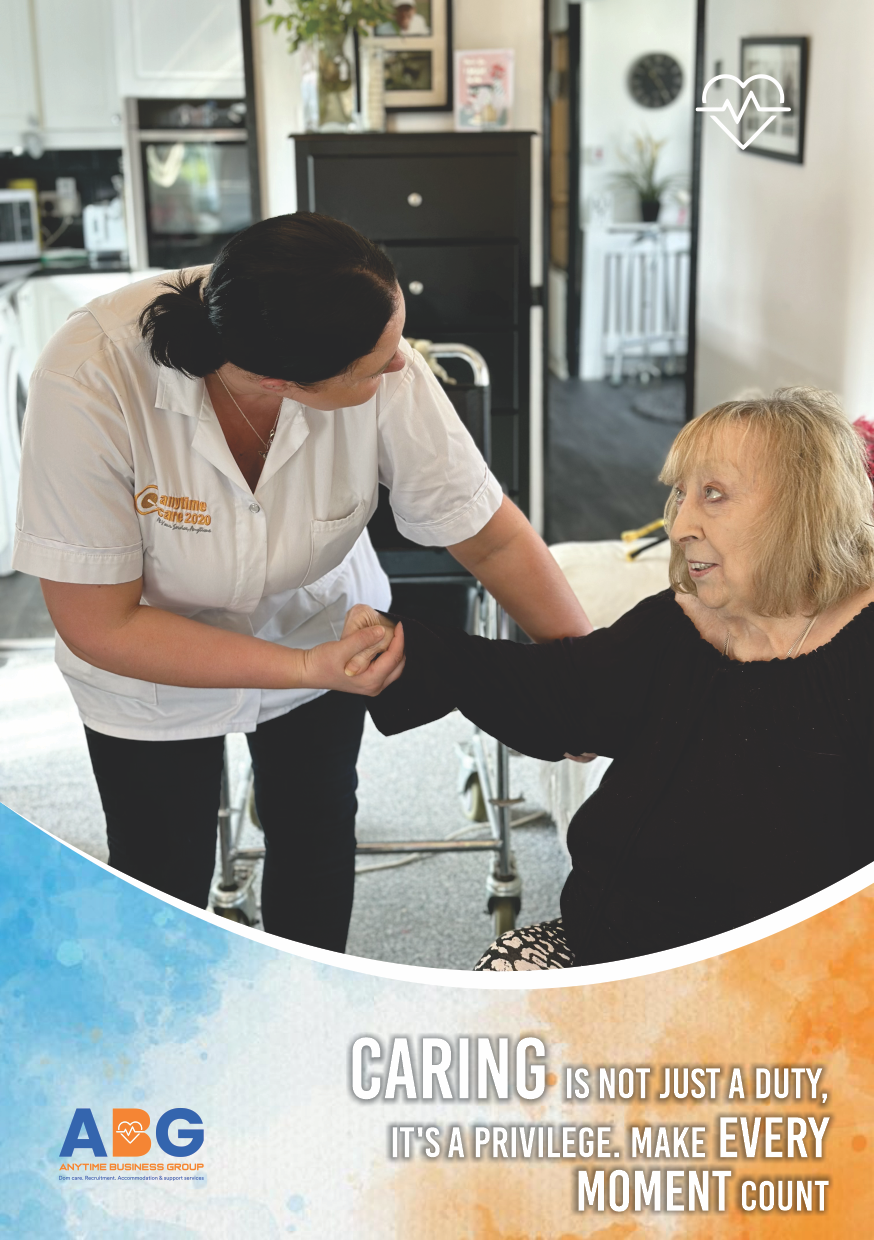
Incontinence is a common issue among the elderly and often affects their quality of life and dignity. Managing incontinence requires a comprehensive approach that includes understanding the causes, implementing practical solutions, and providing emotional support. This guide explores various strategies to manage incontinence in elderly individuals effectively.
Understanding Incontinence
Types of Incontinence
There are several types of incontinence, each with different causes and management strategies:
- Stress Incontinence: Leakage of urine during activities that increase abdominal pressure, such as coughing, sneezing, or lifting.
- Urge Incontinence: A sudden, intense urge to urinate followed by involuntary leakage. This is often associated with an overactive bladder.
- Overflow Incontinence: Inability to empty the bladder completely, leading to frequent dribbling of urine.
- Functional Incontinence: Inability to reach the bathroom in time due to physical or cognitive impairments.
- Mixed Incontinence: A combination of stress and urge incontinence.
Causes of Incontinence
Several factors can contribute to incontinence in the elderly:
- Weak Pelvic Floor Muscles: Ageing and childbirth can weaken the muscles that control urination.
- Chronic Conditions: Conditions such as diabetes, Parkinson’s disease, and multiple sclerosis can affect bladder control.
- Medications: Some medications, including diuretics and sedatives, can increase the risk of incontinence.
- Urinary Tract Infections (UTIs): UTIs can cause temporary incontinence.
- Prostate Issues: Enlarged prostate or prostate surgery can lead to incontinence in men.
- Neurological Disorders: Conditions like stroke and dementia can impair the nerve signals that control the bladder.
Strategies for Managing Incontinence
Medical Management
- Consult a Healthcare Professional: It’s essential to consult a doctor to diagnose the type and cause of incontinence. They can recommend appropriate treatments, including medications, pelvic floor exercises, or surgical options.
Medications such as anticholinergics, beta-3 adrenergic agonists, or topical oestrogen may be prescribed depending on the type of incontinence. Pelvic floor exercises (Kegels) can strengthen the muscles that control urination. A physical therapist can provide guidance on performing these exercises correctly.
Lifestyle Modifications
- Bladder Training: Establishing a regular schedule for bathroom visits can help manage urge incontinence. Gradually increasing the time between visits can improve bladder control.
- Dietary Changes: Reducing the intake of caffeine, alcohol, and acidic foods can decrease bladder irritation. Increasing fibre intake can prevent constipation, which can exacerbate incontinence.
- Fluid Management: Encouraging regular fluid intake throughout the day can prevent concentrated urine, which can irritate the bladder. However, limiting fluid intake before bedtime can reduce nighttime incontinence.
Use of Incontinence Products
- Absorbent Products: Pads, liners, and adult nappies can help manage incontinence and maintain hygiene. Choose products based on the severity of incontinence and personal comfort.
- Protective Bedding: Waterproof mattress protectors and absorbent bed pads can protect bedding and improve sleep quality.
- Skin Care: Frequent changes of incontinence products and gentle cleansing can prevent skin irritation and infections. Use barrier creams to protect the skin from moisture.
Environmental Modifications
- Bathroom Accessibility: Ensure the bathroom is easily accessible. Install grab bars, raised toilet seats, and nightlights to facilitate safe and quick access.
- Clothing Choices: Encourage the use of clothing that is easy to remove, such as pants with elastic waistbands or Velcro fastenings, to reduce the time needed to reach the bathroom.
Emotional Support
- Open Communication: Encourage open and empathetic communication about incontinence. Reassure the elderly individual that incontinence is a common issue and that help is available.
- Support Groups: Joining support groups can provide emotional support and practical advice from others experiencing similar issues.
- Counselling: Professional counselling can help address the emotional impact of incontinence, such as embarrassment, anxiety, or depression.
Case Scenarios
Scenario 1: Stress Incontinence
Margaret’s Story: Margaret, a 78-year-old woman, experienced stress incontinence after her hip replacement surgery. Her doctor recommended pelvic floor exercises and a physical therapist to guide her through them. She also started using absorbent pads during physical activities to manage leakage.
Scenario 2: Urge Incontinence
John’s Story: John, an 82-year-old man with diabetes, had frequent episodes of urge incontinence. His doctor prescribed an anticholinergic medication to reduce bladder spasms. John also started a bladder training programme and reduced his caffeine intake, which significantly improved his symptoms.
Scenario 3: Functional Incontinence
Alice’s Story: Alice, an 85-year-old woman with arthritis, struggled with functional incontinence due to difficulty reaching the bathroom in time. Her daughter installed grab bars and a raised toilet seat in the bathroom. They also ensured that Alice wore easy-to-remove clothing to facilitate quick bathroom access.
Conclusion
Managing incontinence in the elderly requires a multifaceted approach that includes medical management, lifestyle modifications, the use of incontinence products, environmental changes, and emotional support. By understanding the different types of incontinence and their causes, carers can implement effective strategies to improve the quality of life for elderly individuals. Open communication, professional guidance, and practical solutions can help manage incontinence with dignity and compassion.
How can we help as Anytime Care 2020
Getting overwhelmed with taking care of a loved one with incontinence? We have professional carers trained to manage incontinence complications for your loved ones. We are a home care professional service provider offering a wide range of home care services in Havering, London Borough of Barking & Dagenham, Leicester, Hampshire, Northampton and Bedfordshire. We can help you mitigate the pressure and complications of dealing incontinence with our respite care service. Our carers are thoroughly trained to handle such cases and you are guaranteed a comfortable and reliable service from the comfort of your home. Call us on: 07423836202 and speak with our CQC registered care manager or email us on: homecare@anytimebusinessgroup.co.uk