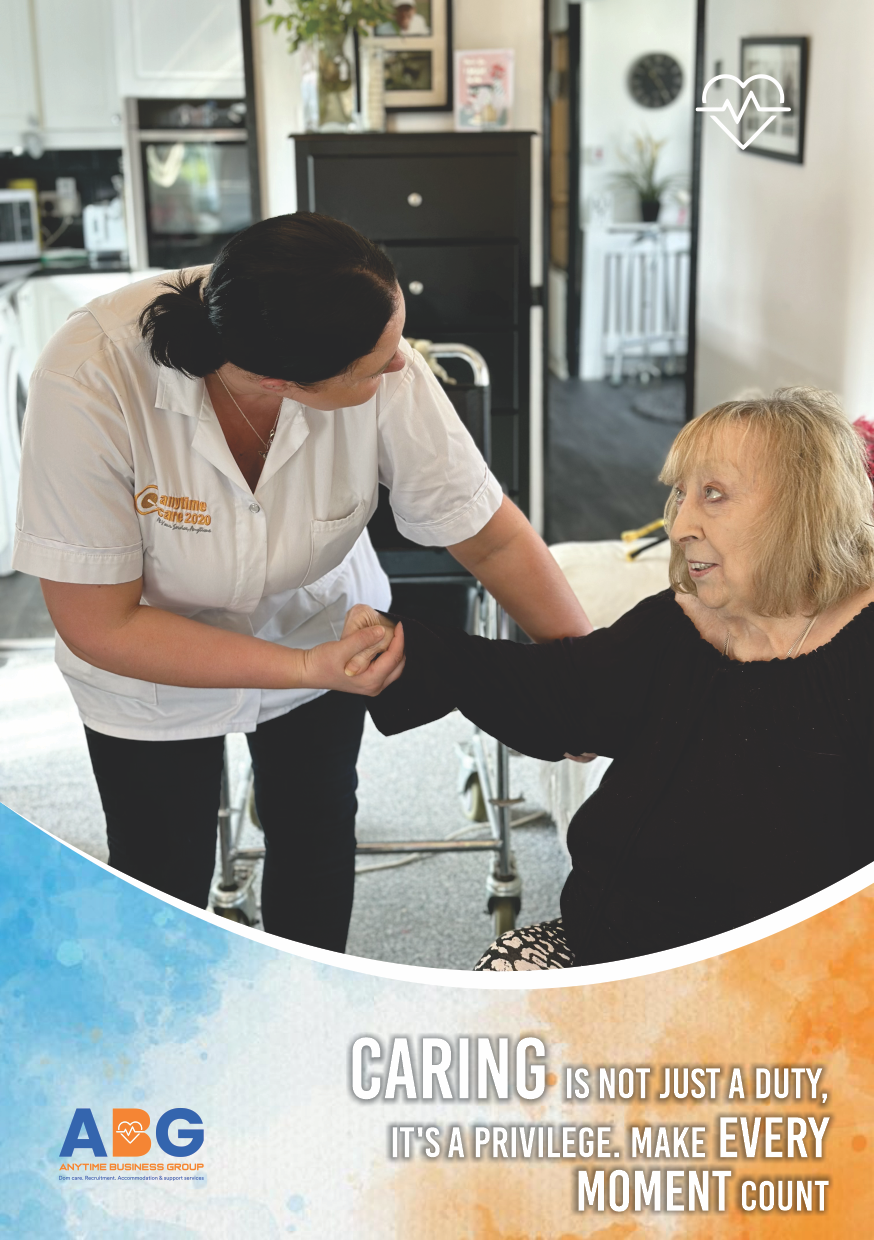
Appetite loss in elderly parents is a common issue that can lead to malnutrition and other health problems. Understanding the causes and finding effective strategies to address appetite loss is crucial for maintaining health and well-being. This guide explores various reasons for appetite loss in the elderly and provides practical tips to encourage healthy eating habits.
Causes of Appetite Loss in the Elderly
Physical Factors
- Medical Conditions: Chronic illnesses such as diabetes, heart disease, and gastrointestinal disorders can affect appetite.
- Medications: Certain medications have side effects that reduce appetite or cause nausea.
- Dental Issues: Poor dental health, including missing teeth or ill-fitting dentures, can make eating difficult.
- Sensory Changes: Diminished taste and smell can reduce the enjoyment of food.
Psychological Factors
- Depression: Emotional distress and depression are significant contributors to appetite loss.
- Anxiety: Worry and stress can negatively impact eating habits.
- Cognitive Decline: Dementia and Alzheimer's can affect eating routines and appetite.
Social Factors
- Isolation: Eating alone can decrease interest in meals.
- Changes in Routine: Disruptions in daily routine or living environment can impact appetite.
Strategies to Encourage Healthy Eating
Create a Pleasant Dining Environment
- Set a Routine: Establish regular mealtimes to create a sense of normalcy.
- Make Meals Enjoyable: Serve food in a pleasant setting, perhaps with background music or attractive table settings.
- Encourage Social Eating: Whenever possible, eat together as a family or invite friends over.
Enhance the Appeal of Food
- Variety and Presentation: Offer a variety of foods with different colours, textures, and flavours.
- Small, Frequent Meals: Instead of three large meals, offer smaller, more frequent meals and snacks.
- Favourite Foods: Include individual favourite foods to entice appetite to eat.
Address Physical Barriers
- Dental Care: Ensure regular dental check-ups and address any dental issues.
- Easy-to-Eat Foods: Offer foods that are easy to chew and swallow, such as soft fruits, vegetables, and proteins.
- Hydration: Encourage fluid intake to prevent dehydration, which can also affect appetite.
Nutritional Supplements
- Consult a doctor: Discuss the use of nutritional supplements with their healthcare provider.
- Fortified Foods: Incorporate nutrient-dense and fortified foods into their diet.
Monitor and Adapt
- Track Eating Habits: Keep a food diary to monitor their intake and identify patterns.
- Adapt to Preferences: Be flexible and adapt meals based on their changing preferences and needs.
Case Scenarios
Scenario 1: Dental Issues
George's Story: George, an 82-year-old with missing teeth, found it difficult to eat solid foods. His daughter, Lisa, prepared soft meals like soups, stews, and mashed vegetables, making it easier for him to enjoy his meals.
Scenario 2: Depression
Helen's Story: Helen, a 79-year-old widow, lost her appetite after her husband's death. Her son, Tom, noticed her weight loss and sought help from a therapist. He also made an effort to eat meals with her, which gradually improved her appetite.
Scenario 3: Medication Side Effects
Arthur's Story: Arthur, an 85-year-old taking multiple medications, experienced nausea and loss of appetite. His daughter, Anna, consulted with his doctor to adjust his medication regimen, which helped alleviate the side effects and improved his appetite.
Addressing appetite loss in elderly parents involves understanding the underlying causes and implementing practical strategies to encourage healthy eating. Creating a pleasant dining environment, offering a variety of appealing foods, addressing physical barriers, and monitoring their eating habits can help maintain their nutritional health. By being attentive and adaptable, you can support your elderly loved ones in enjoying their meals and maintaining their well-being.
If you or a relative require the help of a professional care worker(s), do not hesitate to contact us and we will gladly reach out and craft a relevant care package for you. We are a home care professional service provider offering hourly and /or Live-in home care services in Havering, London Borough of Barking & Dagenham, Leicester, Hampshire, Northampton and Bedfordshire. Call us on: 07423836202 and speak with our CQC registered care manager or email us on: homecare@anytimebusinessgroup.co.uk